






Apparel Wool, Meat for a Feast
Producer bullish on wool
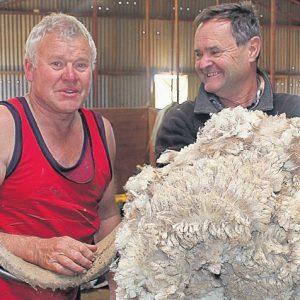
Mr Gamble said the decision to breed a dual-purpose meat and wool sheep 12 years ago had given him some extra security in a tough year.
“The meat side is better than a pure Merino, while still having white wool,” Mr Gamble said. Continue reading
Sheep help Koorda farm spread risk
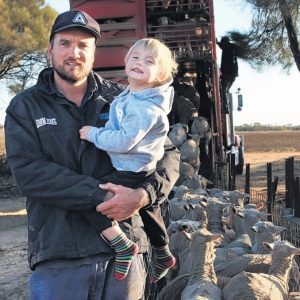
“I hope we’re not going to have to sell any of the breeders, because we’ve got them right where we want them as far as balance between weight gain and wool production,” he said. “That is why we breed Dohne, because they put the kilograms on quicker than a Merino and also get a reasonable wool cut off them.” Continue reading
Cunnamulla property looks to exclusion fencing

Traditionally a Merino property, she introduced South African Dohne sheep to build a flock with 19 micron average wool and also meat qualities if the season permitted. Continue reading
First Muresk intake celebrates graduation
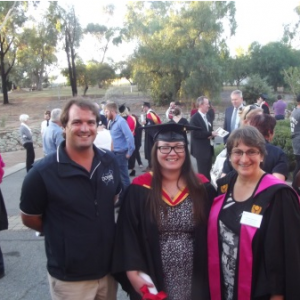
It was a team effort involving Muresk, Charles Sturt University (CSU), Central Regional Tafe, an advisory committee, a lot of individuals, plus the secret element – Royalties for Regions (RfR) – and they all came together as the first cohort graduated from Muresk last week. Continue reading
Sheep index analysis: best breeders fast tracking genetic gain
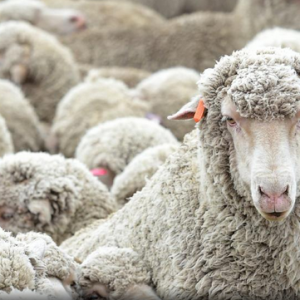
GENETIC gain should be a key performance indicator for livestock producers., according to Sheep Technical Specialist with DPI Luke Stephen.
Demonstrating the range in gain between the top and bottom 20 per cent of farmers, based on profit indexes, Mr Stephen showed a recent leading breeder’s forum just how big the gap was.
For maternal flocks, the difference was about three points. Continue reading


 Facebook
 Twitter
 YouTube
 Instagram